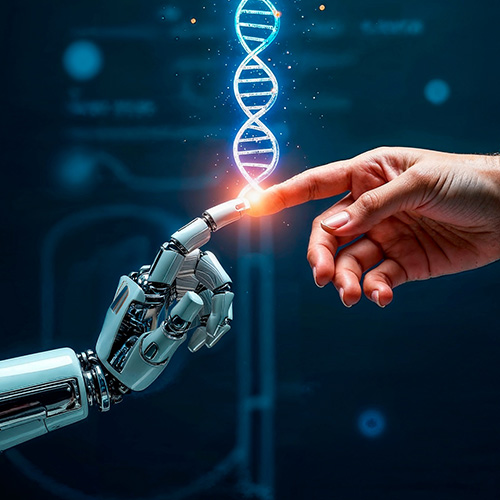
Computer Science: The Core of Innovations

In the ever-evolving landscape of technology, computer science stands at the forefront, driving innovation and reshaping the way we interact with the world. From artificial intelligence to quantum computing, the field of computer science continues to push boundaries and uncover new possibilities that were once confined to the realm of science fiction. In this article, we'll delve into some of the cutting-edge advancements in computer science that are shaping our future.
Artificial Intelligence (AI) and Machine Learning:
One of the most prominent areas of research in computer science today is artificial intelligence (AI) and its subset, machine learning. AI has the potential to revolutionize countless industries, from healthcare and finance to transportation and entertainment. Machine learning algorithms allow computers to learn from vast amounts of data, enabling them to make predictions, recognize patterns, and even mimic human decision-making processes.
Recent advancements in AI have led to the development of sophisticated deep learning models, such as convolutional neural networks (CNNs) and recurrent neural networks (RNNs), which have achieved remarkable results in tasks like image recognition, natural language processing, and speech synthesis. These breakthroughs have paved the way for applications like self-driving cars, virtual assistants, and personalized recommendation systems, transforming the way we live and work.
Quantum Computing:
While still in its infancy, quantum computing holds tremendous promise for solving complex problems that are beyond the capabilities of classical computers. Unlike traditional binary-based computing, which uses bits to represent either a 0 or a 1, quantum computing leverages quantum bits or qubits, which can exist in multiple states simultaneously due to the principles of quantum superposition and entanglement.
The potential of quantum computing lies in its ability to perform parallel computations on a massive scale, making it ideal for tackling optimization, cryptography, and simulation problems that are computationally intractable for classical computers. Researchers are actively working on building practical quantum computers and developing quantum algorithms that harness the power of qubits to solve real-world problems more efficiently.
Cybersecurity:
As our reliance on digital technologies continues to grow, so too does the importance of cybersecurity in safeguarding sensitive information and infrastructure from cyber threats. Cybersecurity is an interdisciplinary field that encompasses various techniques and strategies to protect data, networks, and systems from unauthorized access, exploitation, and attacks.
Advancements in computer science are driving innovation in cybersecurity, leading to the development of more robust encryption algorithms, intrusion detection systems, and threat intelligence platforms. Machine learning techniques are also being applied to cybersecurity to enhance threat detection and response capabilities, enabling organizations to stay one step ahead of cyber adversaries.
Blockchain and Cryptocurrency:
Blockchain technology, initially popularized by cryptocurrencies like Bitcoin, has emerged as a disruptive force with far-reaching implications beyond finance. At its core, a blockchain is a decentralized, distributed ledger that records transactions across a network of computers in a tamper-evident and transparent manner.
Beyond cryptocurrencies, blockchain technology is being explored for applications such as supply chain management, voting systems, and digital identity verification. Smart contracts, self-executing contracts with the terms of the agreement directly written into code, are another innovation made possible by blockchain technology, offering new opportunities for automation and trustless transactions.
Ethical and Social Implications:
As we continue to push the boundaries of computer science and technology, it's essential to consider the ethical and social implications of our innovations. Issues such as algorithmic bias, data privacy, and the impact of automation on jobs require careful consideration and responsible development practices.
Universities play a crucial role in educating future computer scientists and fostering a culture of ethical innovation. By emphasizing ethics, diversity, and inclusivity in computer science education, universities can prepare students to navigate the complex ethical dilemmas and societal challenges that accompany technological advancement.
In conclusion, the field of computer science is a dynamic and ever-expanding domain that continues to drive innovation and shape our future in profound ways. From artificial intelligence and quantum computing to cybersecurity and blockchain technology, the possibilities are limitless. By staying at the forefront of research and embracing ethical principles, we can harness the power of computer science to address pressing challenges and create a better tomorrow for generations to come.
Gallery Images