The Future of Manufacturing is Industrial Automation
In the rapidly changing world of industries, a quiet revolution is taking place – one that's reshaping the way we manufacture goods. This revolution is called ‘industrial automation’ and it's a game-changer for businesses of all sizes.
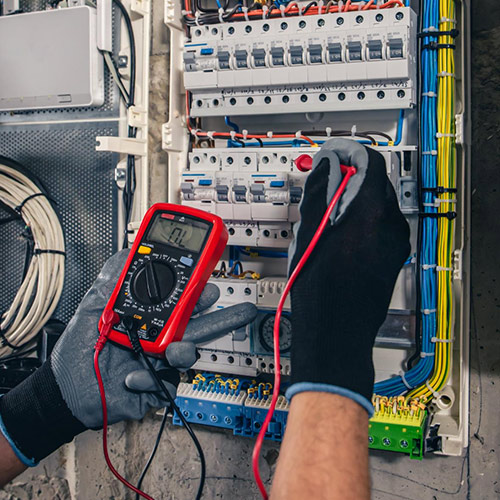
At its core, industrial automation combines cutting-edge technologies like robots, programmable logic controllers (PLCs), hydraulic and pneumatic systems, and data analytics to streamline processes, increase efficiency, and boost precision. Gone are the days of relying solely on manual labor and outdated machinery. Automation is ushering in a new era of smart, interconnected manufacturing.
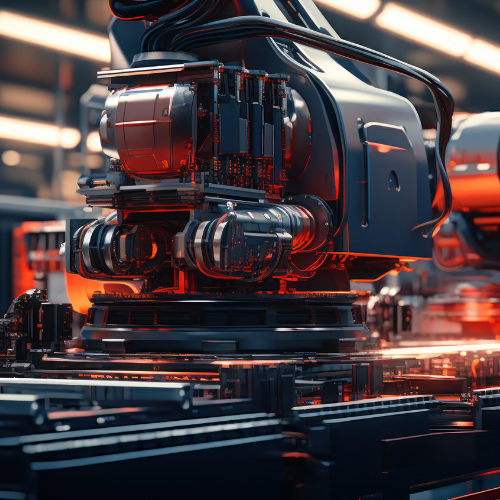
The heart of this transformation lies in the advanced robotic systems and PLCs that act as the brains behind the operation. These highly intelligent machines, equipped with an array of sensors and controls, can perform tasks with remarkable speed and accuracy – from intricate welding and precision painting to seamless packaging and beyond. No longer limited to simple, repetitive jobs, these marvels of modern engineering can tackle complex operations with ease, minimizing errors and waste while maximizing productivity.
However, as exciting as this technological leap may be, it's important to address the concerns surrounding potential job displacement. While it's true that some roles may evolve or become obsolete, history has shown that technological progress often paves the way for new industries and employment opportunities. Moreover, automation can alleviate the burden of monotonous tasks, allowing human workers to focus their talents on more creative and intellectually stimulating endeavors.
Ultimately, industrial automation is about elevating manufacturing processes to unprecedented heights of efficiency and quality. By harnessing the power of robots, PLCs, hydraulic and pneumatic systems, and data-driven insights, businesses can gain a competitive edge, foster growth, and thrive in an increasingly globalized market.
Yet, for this revolution to truly succeed, a thoughtful and collaborative approach is essential. Businesses must be willing to invest in the necessary infrastructure, upskill their workforce, and embrace a culture of continuous learning and adaptation. Only then can we fully harness the transformative potential of industrial automation and pave the way for a brighter, more prosperous future for our industries.
- Yogesh S Sable
Assistant Professor
Department of Mechanical Engineering
Mahatma Gandhi Mission Jawaharlal Nehru Engineering College,
Chhatrapati Sambhajinagar - 431003
Gallery Images