Revolutionizing Civil Engineering: The Impact of 3D Printing Technology
Civil engineering, often regarded as the mother branch of all engineering disciplines, continues to experience rapid development and innovation. One on the latest advancements in the field, 3D printing technology is set to revolutionize civil engineering by providing enhanced precision and value to construction practices.
What is 3D Printing Technology?
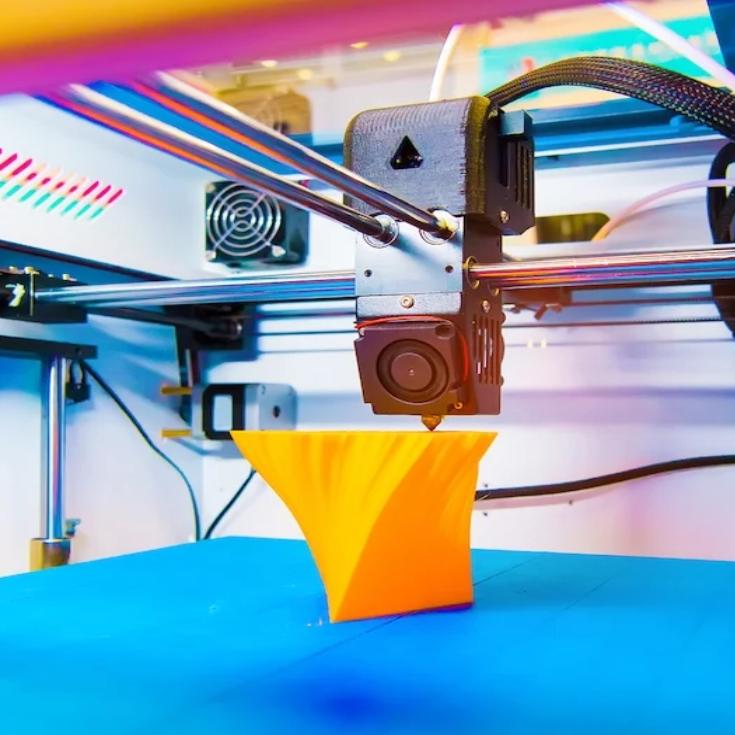
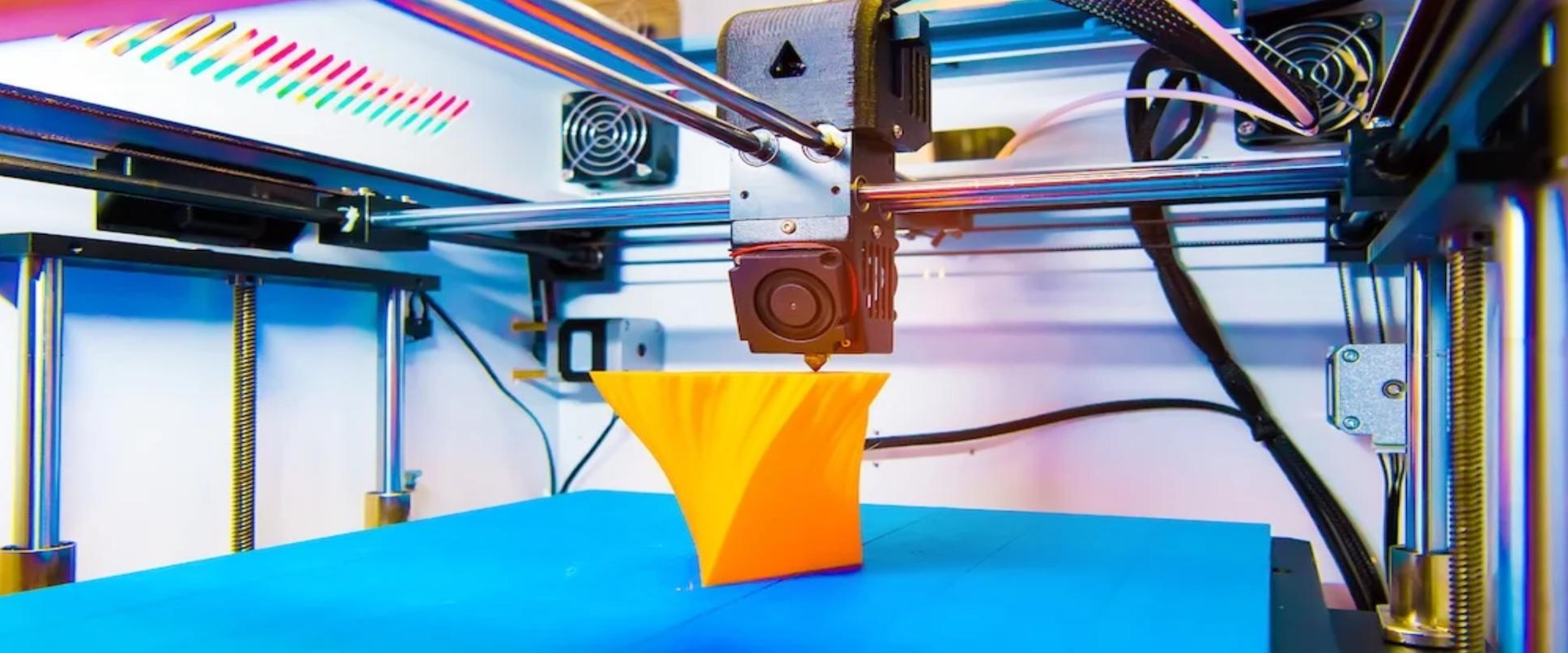
3D printing, also known as additive manufacturing, involves the deposition of material layer by layer using a printer head akin to that of an inkjet printer. This revolutionary technique is part of the Industry 4.0 movement, revolutionizing various sectors within civil engineering. Civil engineering firms are harnessing polymer and metal 3D printing technologies to streamline construction processes and reduce both time and costs associated with building intricate structures.
Applications in Construction
The applications of 3D printing in the construction industry are diverse and far-reaching. From the construction of roads and bridges to the development of highways, 3D printing technology has significantly accelerated the pace of construction while simultaneously impacting project budgets. By employing 3D printing, the construction time for complex structures can be notably reduced, sometimes by up to 70%, allowing for reallocation of resources towards additional project facets. Moreover, the technology addresses challenges associated with casting complex construction parts, offering innovative solutions previously deemed unattainable.
Road Repair and Infrastructure Development
Innovations in 3D printing extend beyond initial construction phases. Researchers have pioneered automated 3D printing platforms capable of filling gaps in concrete or asphalt, facilitating rapid road repairs. Additionally, 3D printing enables the creation of intricate structural components for bridges and dams, further optimizing construction timelines and costs.
Sustainability and Waste Utilization
One of the most promising aspects of 3D printing technology in civil engineering is its potential to utilize waste materials in construction processes. Researchers are exploring methods to convert waste materials into precise forms suitable for 3D printing, all while prioritizing sustainability and environmental concerns. This innovative approach not only reduces waste but also contributes to more sustainable construction practices, aligning with global efforts towards eco-conscious infrastructure development.
Thus, the 3D printing technology is revolutionizing the field of civil engineering by offering unprecedented efficiency, cost-effectiveness, and sustainability. As researchers continue to explore its capabilities and refine techniques, the future holds immense promise for the integration of 3D printing into mainstream construction practices and usher in a new era of innovation and progress in the built environment.
Prof. Varsha G. Jadhav,
Civil Engineering Department
Gallery Images