India's Semiconductor Surge: Embracing the Emerging Frontier of VLSI Design and Technology
In the heart of India's ambitious journey toward technological independence, the semiconductor industry stands as a transformative force, poised to redefine global innovation landscapes. As we navigate 2025, the B.Tech in Electronics Engineering with a specialization in VLSI Design and Technology at MGM University, Chhatrapati Sambhajinagar, emerges as a pivotal gateway for aspiring engineers. This program not only immerses students in the intricate world of chip creation but also aligns seamlessly with the nation's drive to curtail massive import bills—surpassing even those of gold, silver, and crude oil combined—while fostering a self-reliant ecosystem. With the Indian Semiconductor Mission (ISM) accelerating investments and infrastructure, VLSI represents an emerging field brimming with futuristic potential, where tiny silicon marvels power everything from AI-driven smart cities to quantum-enhanced computing.
The Branch: B.Tech Electronics Engineering (VLSI Design and Technology)
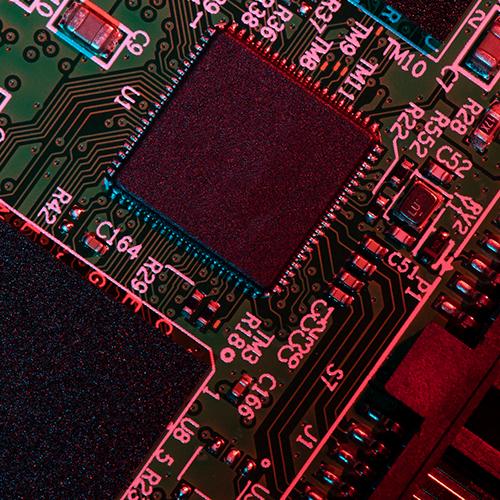
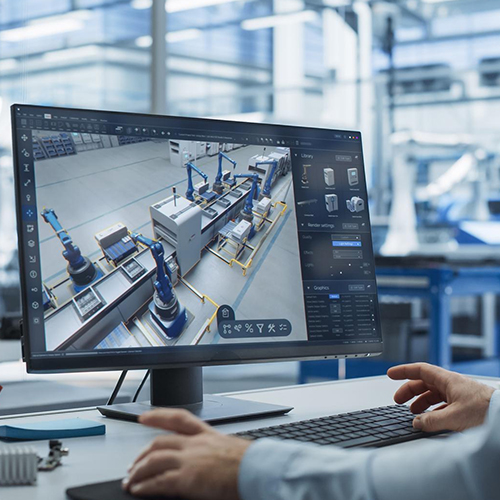
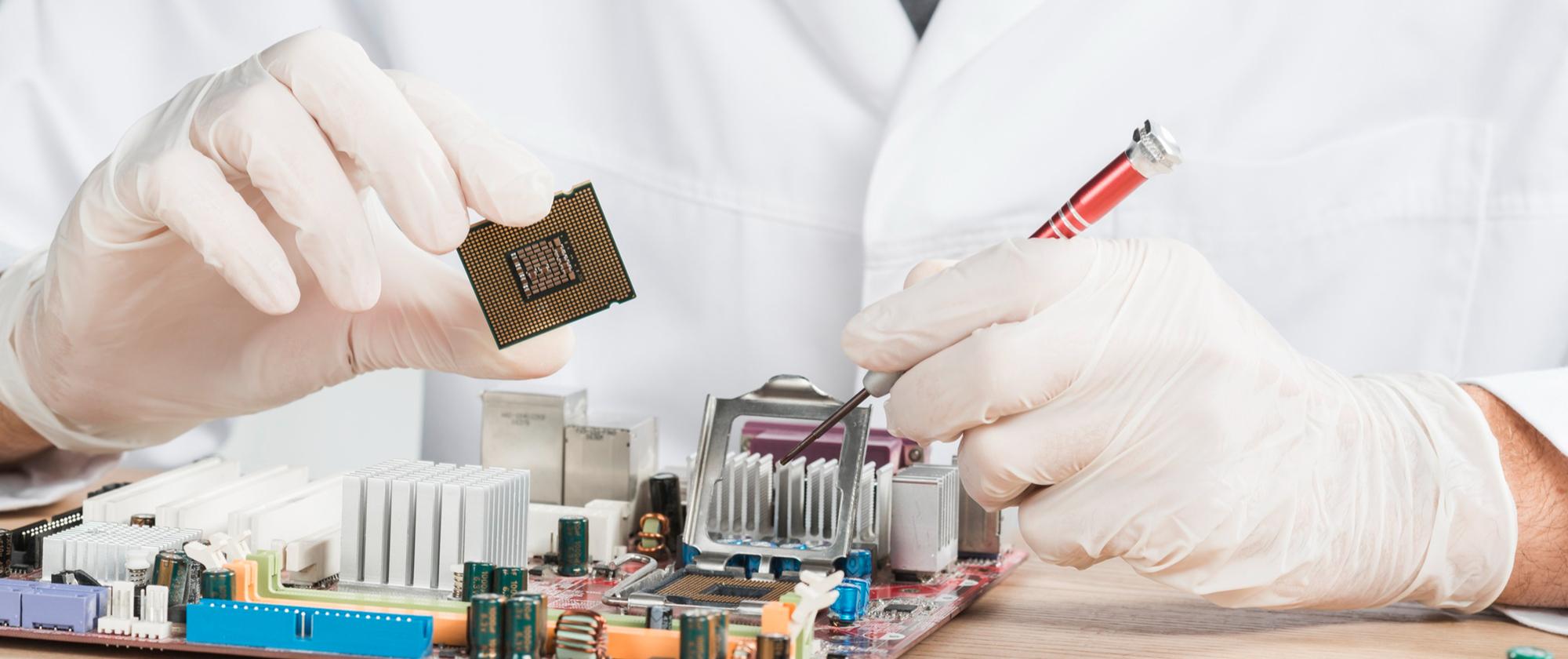
At its core, this four-year undergraduate program delves into Very Large-Scale Integration (VLSI), a cutting-edge discipline that orchestrates the symphony of billions of transistors on a single chip, crafting integrated circuits (ICs) that are the lifeblood of modern electronics. Imagine shrinking entire computing empires into fingernail-sized wonders—VLSI engineers master this art through rigorous coursework in semiconductor physics, digital logic design, and advanced fabrication techniques. MGM University's curriculum, meticulously aligned with ISM guidelines, goes beyond theory: students wield industry-standard tools like Synopsys for simulation and Xilinx for FPGA prototyping in state-of-the-art labs. Through immersive projects, such as designing low-power chips for wearable devices, and partnerships via Memorandums of Understanding (MoUs) with semiconductor giants, learners experience the thrill of real-world innovation. This hands-on approach cultivates not just technical prowess but also creative problem-solving, preparing graduates to tackle emerging challenges like energy-efficient AI accelerators and secure IoT networks.
History of the Branch
VLSI's saga is one of relentless miniaturization and exponential leaps, tracing back to the 1947 invention of the transistor at Bell Labs, which sparked the silicon revolution. The 1960s saw the birth of integrated circuits, pioneered by visionaries like Jack Kilby and Robert Noyce, integrating handfuls of components onto chips. By the 1970s, VLSI exploded onto the scene, embodying Moore's Law—the prophetic doubling of transistor counts every two years—that propelled us from clunky mainframes to sleek smartphones. In India, the field took tentative steps in the 1990s with design outposts from multinationals like Intel, but the true catalyst arrived in 2021 with the ISM's launch, addressing a glaring dependency on foreign chips amid booming digital demands. Today, as ISM evolves into a 15-20 year blueprint for self-sufficiency, programs like MGM's weave this historical tapestry with contemporary urgency, empowering students to bridge past innovations with future breakthroughs in an era where chips underpin national security and economic resilience.
Growth of the Branch and Correlation with India's Semiconductor Mission
VLSI is not just growing—it's exploding as an emerging field, fueled by converging technologies like artificial intelligence, 5G/6G communications, electric vehicles (EVs), and the Internet of Things (IoT). Globally, the semiconductor market hurtles toward a $1 trillion valuation by 2030, but India's narrative under ISM is a story of meteoric ascent and strategic reinvention. Since its inception, ISM has channeled over $10 billion in incentives, attracting pledges nearing $20 billion by late 2025 across fabrication plants, design hubs, and R&D facilities. A pivotal boost came in 2024 with an additional $1.2 billion allocation, followed by an 83% budget hike to INR 7,000 crores in 2025, emphasizing patient capital for long-term yields. Recent milestones include the January 2025 fiscal support agreement between ISM, CG Power, and CG SEMI, alongside approvals for advanced node expansions.
This mission's Design Linked Incentive (DLI) scheme nurtures startups, spotlighting innovations in AI chips and EV controllers at events like SEMICON India 2025. MGM University's program mirrors this dynamism, integrating ISM-aligned training with internships at emerging fabs, where students simulate cleanroom environments and optimize chip yields. As VLSI evolves, it addresses pressing needs for ultra-low-power designs in edge computing and robust security in quantum-threatened systems. India's semiconductor market, projected to hit $63 billion by 2026, promises a 20% CAGR, creating ecosystems resilient to global supply disruptions while exporting expertise worldwide. In this emerging landscape, VLSI isn't static—it's a canvas for revolutionary applications, from brain-inspired neuromorphic chips to sustainable green semiconductors, positioning India as a global innovation powerhouse.
Career Avenues: Future Opportunities Aligned with National Ambitions
The true allure of VLSI lies in its boundless future opportunities, where graduates step into a talent-hungry arena offering lucrative, impactful careers amid ISM's expansive ripple effects. By 2026-2027, roles like Physical Design Engineers—architecting chip layouts for 3nm/2nm nodes—will surge with Tata's fabs going operational, demanding expertise in minimizing power leakage for AI and 5G applications. Verification Engineers, ensuring flawless IC performance through advanced simulations, remain in perennial demand, especially in ISM-funded prototypes for EVs and medtech. RTL Design Engineers craft the digital blueprints for next-gen processors, while DFT (Design for Test) specialists embed testing mechanisms to slash production defects.
Beyond core roles, opportunities span SoC Verification for integrated systems-on-chip, Application Engineering for customizing chips in aerospace and biomedical devices, and CAD Engineering for automating design flows. With salaries 30-50% above engineering norms—often starting at INR 10-15 lakhs for freshers and scaling to crores for experts—global prospects abound at firms like Intel, Qualcomm, and indigenous players like Tata Electronics. ISM scholarships pave paths to PhDs and startups, incubating ventures in AI hardware or quantum interfaces. In domains like automotive electronics for self-driving cars, telecommunications for ultra-fast networks, and defense for secure systems, VLSI professionals drive societal advancements. MGM alumni, fortified by MoU-driven placements and project portfolios, are primed for entrepreneurship—launching chip consultancies—or advisory roles in mission expansions, contributing to India's envisioned $100 billion semiconductor economy by 2030. This emerging field offers not just jobs, but a chance to shape tomorrow's connected, intelligent world.
As VLSI propels India into the semiconductor vanguard, MGM University's B.Tech program invites visionaries to join this exhilarating odyssey. With admissions open for 2026, seize the opportunity to engineer the future—where your innovations could illuminate global progress.
Author: Mr. Piyush G. Kale
Assistant Professor
Electronics and Telecommunication Engineering,
School of Engineering and Technology, MGM University,
Chhatrapati Sambhajinagar.