Artificial Intelligence Is Reshaping Our Children’s Futures — Here’s Why Every Parent Should Pay Attention
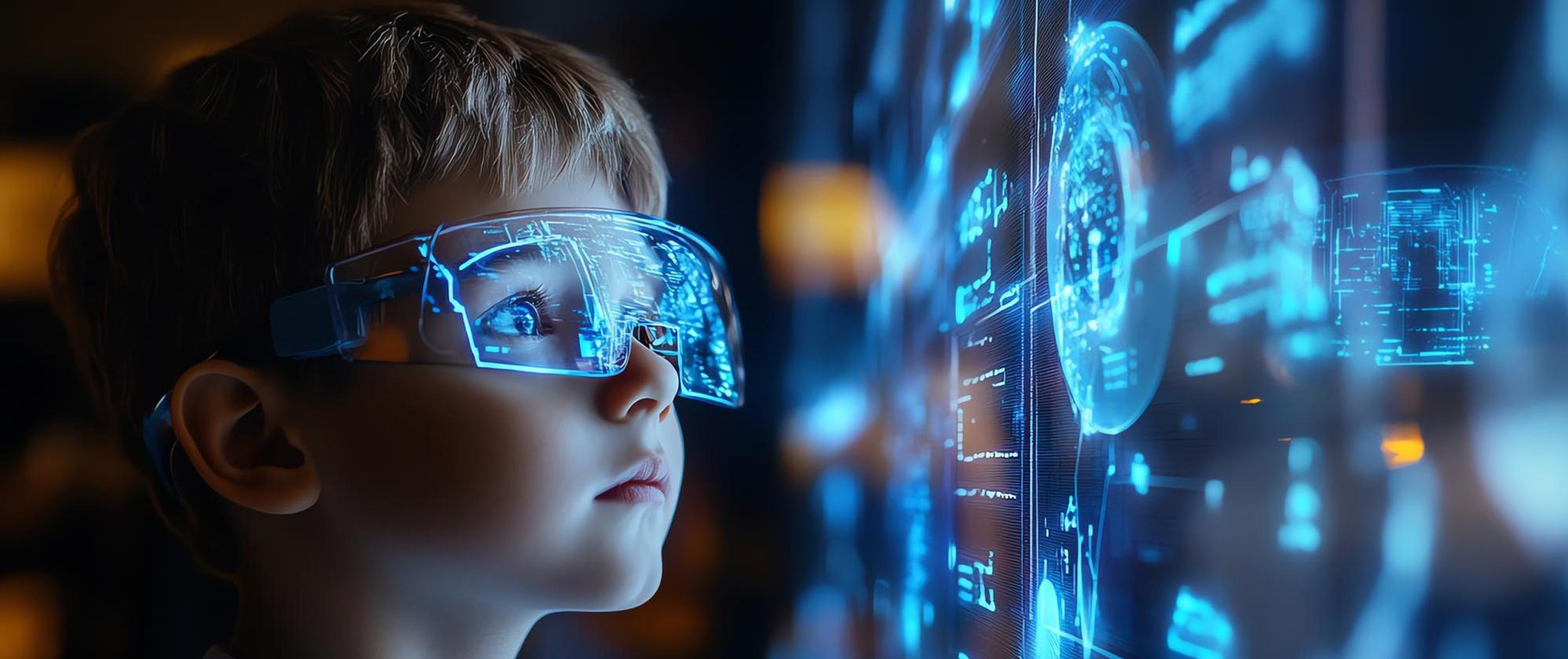
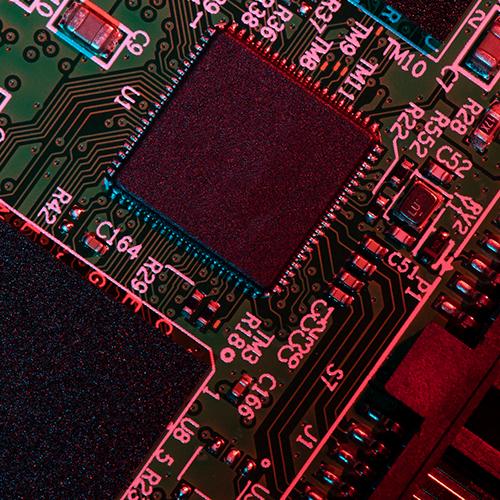
Artificial Intelligence (AI) is no longer just a buzzword in technology columns. Recent scientific advancements, such as the development of bendable AI chips that can flex like fabric while computing, underscore how AI is moving off screens and into everyday life, including applications that will shape the future job market for today’s students.
These flexible AI chips can be integrated into wearable devices such as smart watches, health patches and even clothing to process data directly on the body, rather than relying on phones or cloud servers. That means future technologies will operate faster, with enhanced privacy and greater energy efficiency.
AI Is Everywhere — Not Just in Computer Labs
Gone are the days when AI was only part of computer science. Today, every major sector is being transformed by intelligent technologies:
- Healthcare: Wearables powered by flexible AI can monitor heart rhythms and alert users in real time — potentially saving lives.
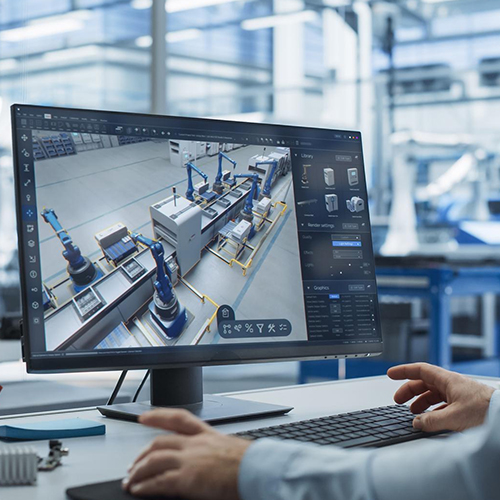
- Manufacturing: Factories increasingly use AI to predict machine breakdowns and optimise productivity.
- Infrastructure: Smart city systems powered by AI help manage traffic, energy use and public safety.
- Finance and Retail: AI predicts trends, detects fraud and personalises customer experiences.
These are not distant possibilities — they are rapidly becoming everyday realities.
What This Means for Students’ Careers
For parents guiding children after the 10th standard, the message is clear:
AI is not just a tech job skill, but a career multiplier across all fields.
Engineering Disciplines, with AI Integration:
- Computer Engineering: Direct path to AI development, software design and machine learning.
- Mechanical Engineering: AI streamlines robotics, automation and smart manufacturing.
- Electrical Engineering: AI enhances smart grids and renewable energy systems.
- Civil Engineering: Smart infrastructure and predictive analytics reshape urban planning.
- Electronics & Communication: Flexible AI chips and IoT devices will be central to future innovations.
- Students who combine domain knowledge with AI competencies will have a distinct advantage in the competitive job landscape.
What Parents Should Focus On
What Parents Should Know About Career Paths (After 10th Standard)
- Choose Science (PCM): Mathematics and Physics develop logical thinking and analytical ability — the foundation for AI in any field.
- Start AI Exposure Early: Encourage basic coding, beginner AI courses, robotics kits or small tech projects to build confidence.
- Select Branch Based on Interest: AI enhances every engineering stream — Mechanical, Civil, Electrical, Electronics and Computer. Passion + technology creates long-term success.
- Develop Interdisciplinary Skills: Data interpretation, automation awareness and problem-solving skills will give students a strong competitive edge.
- Think Long-Term: AI literacy today is as essential as computer literacy was two decades ago — it will define employability tomorrow.
Real-Time Facts Parents Should Know
- Flexible AI chips can bend like fabric and still compute! Smart clothing and medical patches are becoming a reality.
- AI wearables can monitor heart rhythm and oxygen levels in real time! Early alerts can prevent major health emergencies.
- AI helps doctors detect cancer and brain disorders faster through scan analysis! In many cases, it identifies patterns invisible to the human eye.
- Robotic surgeries assisted by AI enable greater precision and faster recovery!
- AI predicts disease outbreaks by analysing large health datasets!
- AI is guiding spacecraft navigation and mission planning!
- Space agencies like ISRO and NASA use AI for satellite data analysis and autonomous systems.
- AI-powered satellites monitor climate change and natural disasters in real time!
- Rovers exploring Mars rely on intelligent systems to make autonomous decisions!
- AI-driven jobs are among the fastest-growing globally!
A Simple Path Forward - Here’s How Parents Can Help Students Prepare
- Build a Strong Foundation in Mathematics and Science — The algorithms behind products like ChatGPT and recommendation engines used by Netflix are rooted in mathematical concepts taught in Classes 11 and 12. Strong fundamentals today power tomorrow’s innovations.
- Encourage Early Exposure to AI Concepts — Many students start with simple Python coding and later work on AI tools similar to Google Assistant or automation systems used by Amazon in its smart warehouses.
- Support Exploration of Real Interests — A child interested in automobiles might one day work on autonomous systems like those developed by Tesla. A student fascinated by space could contribute to AI-powered missions at ISRO or NASA.
- Promote Problem-Solving Over Memorisation — Companies such as Microsoft and Google hire professionals who can think critically and apply AI tools creatively — not just score marks in exams.
- Develop Digital Confidence at Home — Understanding how online recommendations, digital payments, or smart devices function gives students practical awareness of how AI already shapes daily life.
Rethinking Jobs in the Age of Artificial Intelligence
- AI is changing jobs, not eliminating all of them. Just as computers created IT careers in the 1990s, AI is creating roles like AI engineers, data analysts, robotics specialists and AI system trainers.
- Most AI tools automate repetitive tasks, not complete professions. For example, AI software may analyse financial data quickly, but financial advisors and managers still make strategic decisions.
- New job roles are emerging every year. Companies like Google, Microsoft, and Amazon are hiring for AI ethics specialists, automation engineers, prompt engineers and AI product managers — roles that didn’t exist a decade ago.
- AI increases productivity, which leads to business growth — and more hiring. When industries become more efficient, they expand operations and create additional opportunities.
- Skilled professionals who combine domain knowledge with AI are in higher demand. A mechanical engineer who understands automation or a civil engineer who uses AI-based planning tools has better employability.
- Human skills remain irreplaceable. Leadership, creativity, empathy, negotiation and complex decision-making cannot be automated.
Author: Ms. Arcchana Rahulkumar Kothimbire,
Assistant Professor,
Department of CS Engineering,
School of Engineering & Technology,
MGM University, Chh. Sambhajinagar