Career in B.Des Industrial Design
Introduction
Industrial Design is emerging as one of India’s most promising and future-ready creative disciplines. As industries shift toward innovation, user-centered design, and technology-driven product development, trained industrial designers are in high demand across sectors. A B.Des in Industrial Design equips students with strong creative thinking, technical knowledge, and hands-on skills to design meaningful, functional, and aesthetically appealing products.
Industrial Design at MGM University combines practical studio learning with real-world problem-solving, helping students build the mindset of innovators, creators, and design strategists. The program nurtures imagination while developing engineering awareness—resulting in designers who can shape the products and experiences of tomorrow.
What Is Industrial Design?
Industrial Design is the process of conceptualizing, designing, and developing products that are functional, user-friendly, manufacturable, and aesthetically relevant. It combines creativity with engineering understanding, ergonomics, material science, psychology, sustainability, and business strategy.
Industrial designers shape a wide variety of everyday objects and advanced technologies, including:
• Household products and appliances
• Smart consumer electronics
• Automobiles and mobility solutions
• Medical equipment
• Furniture and lifestyle products
• Robotics and IoT-enabled devices
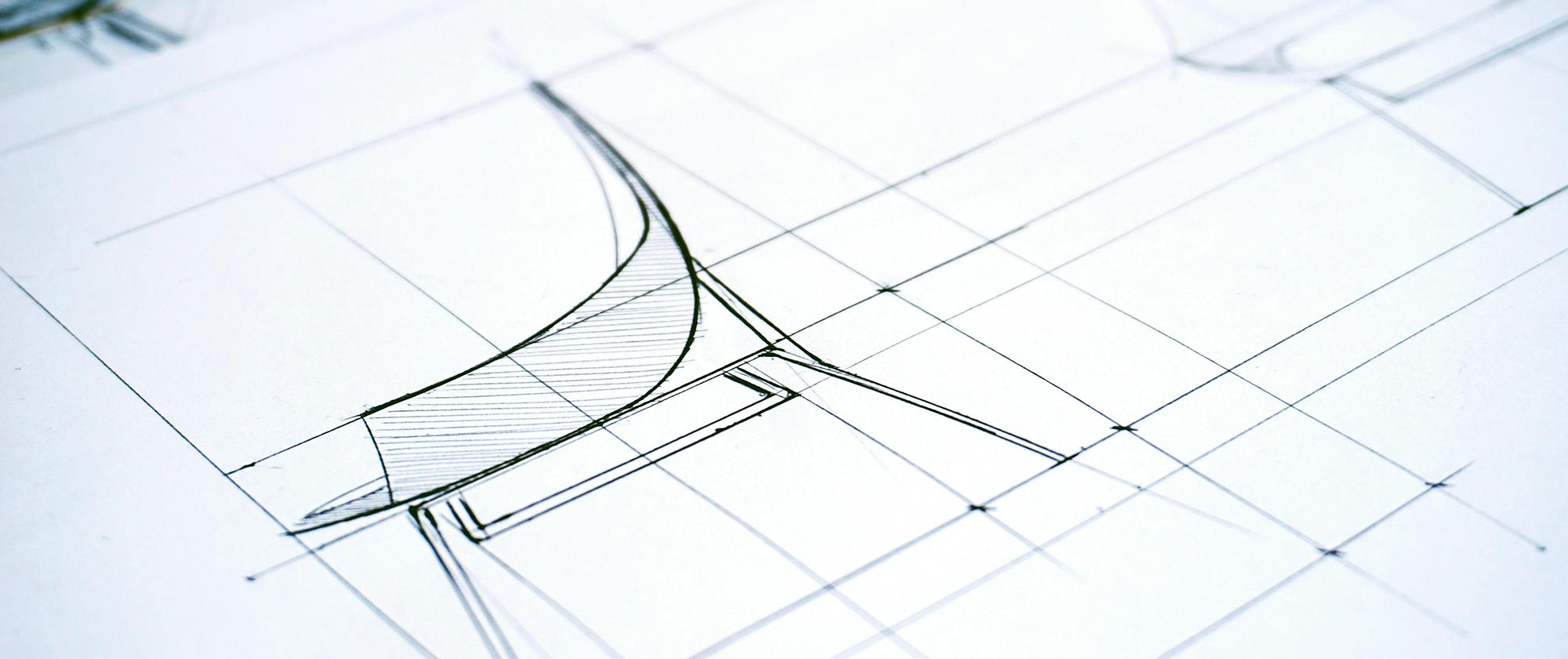
Industrial designers move ideas from sketches to prototypes, ensuring a perfect balance between form, function, usability, sustainability, and innovation.
Why Pursue Industrial Design in 2025 and Beyond?
Industrial design is gaining immense importance due to major national and global trends:
1. Make in India & Global Manufacturing Growth
India’s strong push toward manufacturing has increased the demand for designers who can create original, user-centered products.
2. Rise of Startups & Tech Innovation
Electric vehicles, robotics, IoT devices, and hardware startups require industrial designers for product conceptualization, prototyping, and system design.
3. Consumer Demand for Good Design
Users expect products to be visually appealing, durable, ergonomic, and easy to use—fueling the need for trained designers.
4. Global Collaboration Opportunities
Indian design professionals increasingly work on international projects, offering both remote and onsite opportunities.
5. Integration of Technology
AI, AR/VR modeling, simulation tools, and rapid prototyping are transforming the industry, giving designers advanced tools for innovation.
Career Opportunities
Graduates in Industrial Design can pursue diverse and high-impact roles, such as:
• Product Designer
• Industrial Designer
• Automotive Designer
• Furniture & Lifestyle Product Designer
• Toy & Game Designer
• Packaging Designer
• CMF Specialist (Color, Material, Finish)
• Design Researcher
• CAD & 3D Modeling Specialist
• UX Hardware Designer
• Prototype & Fabrication Specialist
Salary Overview
Salaries in Industrial Design depend on portfolio quality, technical proficiency, and industry segment:
• Entry-level designers: ₹5 – ₹8 LPA
• Mid-level professionals: ₹8 – ₹15 LPA
• Senior/Lead designers: ₹18 – ₹30 LPA+
• Specialized roles in EV, IoT, and med-tech often pay higher
Freelancers and independent designers may earn significantly more depending on project scale, expertise, and international clientele.
Future Scope & Industry Growth
The next decade will see exponential growth in design-driven industries. Key growth areas include:
• Electric mobility & autonomous systems
• Smart appliances & IoT devices
• Sustainable materials & eco-conscious design
• Medical and assistive technology
• Robotics, automation, and AI-driven products
• Product innovation for Indian and global markets
With rapid technological advancement and rising consumer expectations, industrial designers will play a key role in shaping the future of human-centered products and experiences.
Who Should Choose This Field?
A B.Des in Industrial Design is ideal for students who:
• Enjoy solving practical problems creatively
• Are curious about how products work
• Love sketching, 3D modeling, or building things
• Have an interest in engineering and design fusion
• Want a career in innovation, product development, or technology
• Prefer hands-on learning, experimentation, and prototyping
• Want to contribute to real-world challenges through design
FAQs
1. What does an industrial designer actually do?
Industrial designers develop user-friendly, functional products through sketching, 3D modeling, prototyping, and collaboration with engineers and manufacturers.
2. Is industrial design a stable career in India?
Yes. With booming manufacturing, EV technology, and product-focused startups, the demand continues to grow.
3. Do I need a design degree to enter this field?
A B.Des or M.Des provides strong foundations, but a solid portfolio and practical skills matter most.
4. Can engineering students shift to industrial design?
Absolutely. Many industrial designers come from engineering backgrounds and excel with good design training.
5. What skills are essential?
Sketching, CAD modeling, materials knowledge, ergonomics, prototyping, creativity, and problem-solving.
6. Is there freelancing scope?
Yes. Product designers frequently take freelance projects involving prototyping, design consulting, or custom product development.
7. Does the course involve hands-on projects?
Yes. Industrial Design is highly practical, involving workshops, modeling labs, and real-world design briefs.
Conclusion
Industrial Design is a powerful blend of creativity, technology, and innovation. With industries increasingly prioritizing user experience, sustainability, and smart product development, this field offers immense potential for growth and global relevance. MGM University’s Industrial Design program prepares students to become skilled, future-ready professionals capable of shaping the products and technologies that define modern living.
Author: Ar. Kishori Kulkarni
Leonardo Da Vinci School of Design, MGM University