Artificial Intelligence and Civil Engineering
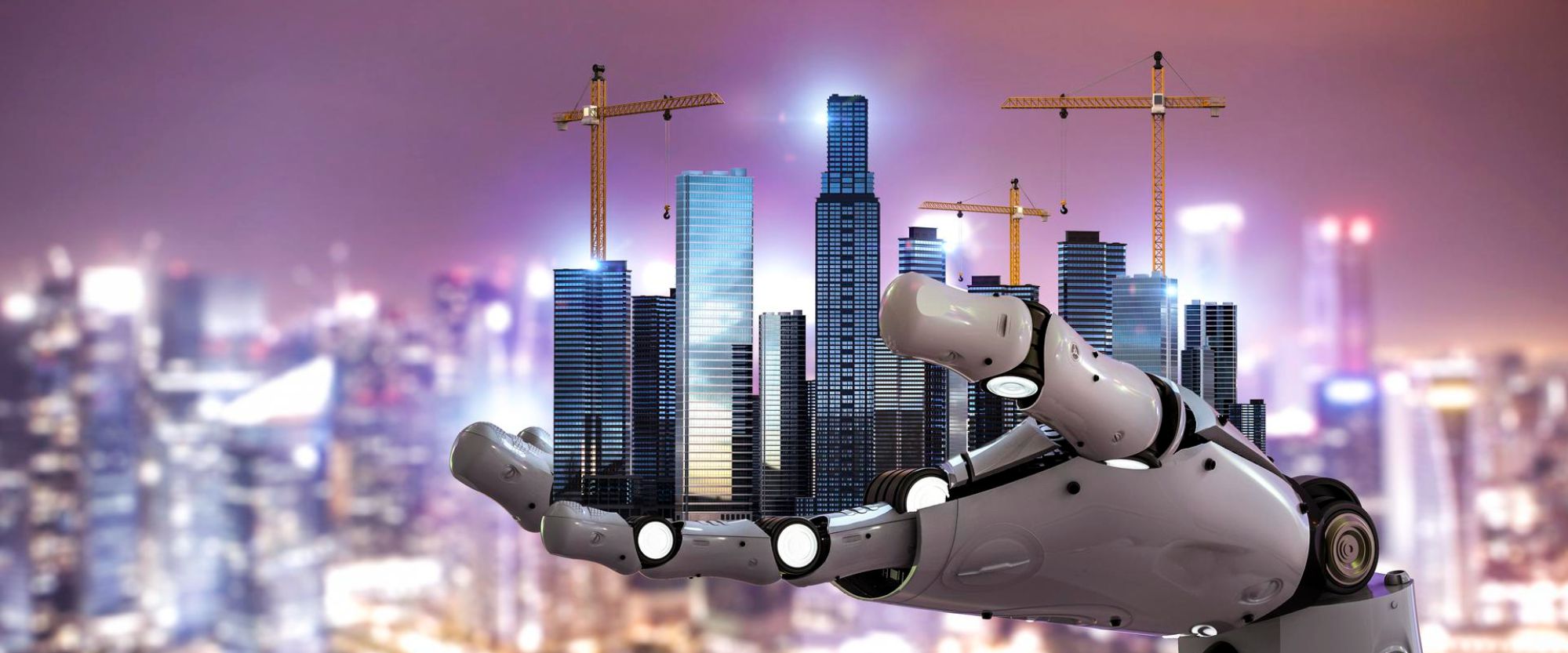
In an era marked by rapid technological advancements, the integration of artificial intelligence (AI) into civil engineering has emerged as a game-changer. AI has the potential to revolutionize various aspects of civil engineering, from design and construction to maintenance and sustainability. This blog explores the exciting possibilities AI brings to the world of civil engineering and the significant impact it can have on the industry's future.
How AI can help Civil Engineering?
Artificial intelligence encompasses a wide range of technologies that enable computers to mimic human intelligence, including learning, reasoning, problem-solving, and decision-making. When applied to civil engineering, AI can improve efficiency, reduce costs, enhance safety, and contribute to sustainable practices.
Design and Planning
AI can optimize the design process by quickly analyzing vast amounts of data and generating designs that meet specific criteria. It helps engineers create more efficient and innovative designs by considering factors like material usage, structural integrity, and environmental impact. This not only saves time but also reduces resource consumption.
Construction and Project Management
In construction, AI is invaluable for project management and scheduling. AI algorithms can predict potential delays and resource allocation issues, allowing for better decision-making and improved project outcomes. It also helps with risk assessment and mitigation, making construction projects more cost-effective and safer.
Quality Control
AI can perform quality control tasks more efficiently and accurately than humans. For instance, drones equipped with AI can inspect construction sites, identifying structural defects, safety hazards, and other issues. This technology significantly reduces the risk of human error and enhances overall construction quality.
Maintenance and Predictive Analytics
Incorporating AI into infrastructure maintenance is a game-changer. By analyzing historical data and real-time sensor information, AI systems can predict when maintenance is needed, optimizing maintenance schedules and reducing costs. This proactive approach improves infrastructure reliability and longevity.
Sustainability and Energy Efficiency
AI can aid in making civil engineering more sustainable. For instance, it can optimize energy consumption in buildings by regulating heating, cooling, and lighting systems based on occupancy and weather conditions. Furthermore, AI-driven simulations can help in designing sustainable infrastructure with reduced environmental impacts.
Challenges and Considerations
While AI holds immense promise, its integration into civil engineering comes with certain challenges and considerations:
- Data Quality: AI relies on large datasets for training and decision-making. Ensuring data quality and integrity is critical for accurate results.
- Ethical Concerns: AI in civil engineering raises ethical questions, particularly regarding decision-making in critical situations, data privacy, and accountability.
- Education and Training: Professionals in civil engineering must adapt to AI technologies. Universities and institutions should incorporate AI-related courses into their curricula.
- Initial Investment: Implementing AI systems can be costly, and there is often a need for substantial upfront investment in infrastructure and training.
The Future of AI in Civil Engineering
- The future of civil engineering is undeniably intertwined with artificial intelligence. As AI continues to advance, we can expect several developments in the field:
- Advanced Materials: AI-driven research can lead to the development of new materials with enhanced properties, potentially revolutionizing construction and infrastructure design.
- Autonomous Construction: The development of autonomous construction vehicles and robots can improve efficiency and safety on construction sites.
- Smart Cities: AI will play a central role in the development of smart cities, optimizing transportation, energy use, and public services for urban populations.
- Continual Improvement: AI systems will continually learn and adapt to changing conditions, further enhancing their performance in various civil engineering applications.
Artificial intelligence is ushering in a new era in civil engineering. From design and construction to maintenance and sustainability, AI is transforming the industry by increasing efficiency, reducing costs, and enhancing safety. While challenges exist, the future holds great promise for AI-driven advancements in the field. As civil engineering professionals, it's essential to embrace these changes, adapt to new technologies, and lead the way toward a more innovative and sustainable future for the industry
Gallery Images