
Diploma in Pharmacy
 By University Department of Pharmaceutical Sciences
- Program: Diploma
- Duration: 2 Year(s)
- Intake: 60
Program Outline
The Diploma in Pharmacy (D. Pharm.) is a foundational program designed to provide students with essential knowledge and skills in pharmaceutical sciences. This diploma is typically a two-year course that focuses on the fundamental aspects of pharmacy, including pharmacology, pharmaceutical chemistry, and pharmacy practice. Students enrolled in the D. Pharm. program gain a comprehensive understanding of drug formulation, dispensing, and the ethical responsibilities associated with the pharmacy profession.
Fees Structure
| Particulars | Amount | Remarks |
|---|---|---|
| Tuition Fees | ₹75000/- | Yearly |
| Application Form & MGMU-CET | ₹2000/- | One Time |
| Examination Fees | ₹2500/- | Semester Wise |
| Eligibility Fees | ₹5000/- | One Time |
| Student Activities Fees | ₹2000/- | Yearly |
| UMIS and Student Insurance | ₹3000/- | One Time |
| Alumni Association Membership Fees | ₹2000/- | One Time |
Program Outcomes
Foundational Knowledge in Pharmaceutical Sciences
Students will gain a solid foundation in key areas of pharmaceutical sciences, including pharmacology, pharmaceutics, medicinal chemistry, and pharmacognosy.
Pharmacy Practice and Dispensing Skills
Acquire practical skills in pharmacy practice, prescription processing, medication dispensing, and patient counseling to provide quality pharmaceutical care.
Drug Dosage Forms and Preparation Techniques
Develop proficiency in preparing various drug dosage forms, such as tablets, capsules, liquids, and ointments, following standard procedures and protocols.
Pharmaceutical Calculations and Compounding
Gain expertise in pharmaceutical calculations and compounding techniques to accurately measure, mix, and compound medications according to prescribed formulations.
Pharmacotherapy Knowledge and Application
Students will understand the principles of pharmacotherapy and apply their knowledge to recommend appropriate medications, dosage regimens, and therapeutic interventions.
Pharmacy Law and Ethics
Acquire knowledge of pharmacy laws, regulations, and ethical guidelines governing pharmacy practice, ensuring compliance and professionalism in all aspects of pharmaceutical care.
Pharmaceutical Quality Assurance
Develop an understanding of pharmaceutical quality assurance principles, including quality control methods, storage conditions, and documentation practices to maintain product integrity and safety.
Interpersonal Communication and Customer Service
Cultivate effective communication skills and customer service etiquette to interact professionally with patients, healthcare providers, and other stakeholders in the healthcare system.
Eligibility
- No Candidate shall be admitted to Diploma in Pharmacy Pt. I unless he/she had passed any of the following examinations in all the optional subjects and compulsory subjects (Physics, Chemistry, Biology and /or Mathematics including English as one of the Compulsory subjects):
- Intermediate examination in Science: The First Year of the three year degree course in Science; 10+2 Examination(Academic stream) in Science.
- Pre-degree examination: Any other qualification approved by the Pharmacy Council of India as equivalentto any of the above exam.
- Admission of candidates to the Diploma in Pharmacy Part -I shall be made in order of merit on the basis of 'Pre-Pharmacy Test' conducted in accordance with the scheme of Examinations and syllabus laid-down by the University.
- ELIGIBILITY FOR APPEARING IN EXAMINATION
- Eligibility for appearing at the Diploma in Pharmacy Part-I Examination: Only such candidates who produce-certificate from the Head of the Academic Institution in which he/she has undergone the Diploma in Pharmacy Part-I course, in proof of his/her having regularly and satisfactorily undergone the course of study by attending not less than 75% of the classes held both in theory and in practical separately in each, shall be eligible for appearing at the Diploma in Pharmacy (Part-I) examination.
- Eligibility for appearing at the Diplomain Pharmacy Part-II Examination: Only such candidates who produce certificate from the Head of the academic institution in which he/she has undergone the Diploma in Pharmacy Part-II course, in proof of his/her having regularly and satisfactorily attending not less than 75% of the classes held both in theory and practicals separately in each subject, shall be eligible for appearing at the Diploma in Pharmacy (Part-II) examination.
- A candidate can have a relaxation of 10% attendance on medical ground by producing a certificate from medical officer of government hospital and a 5% relaxation by the vice chancellor on the recommendation of Dean, faculty.
Career Prospects
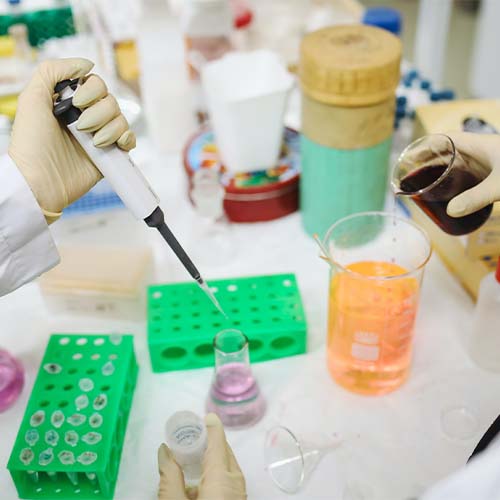
Hospital Pharmacy Assistant
Pharmaceutical Sales Representative (Medical Representative)
Pharmacy Assistant/Technician Trainer
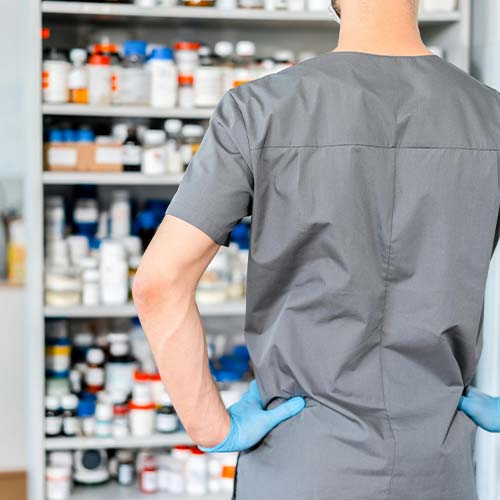
Pharmacy Customer Service Representative
Admission Procedure
Step
1
Register on admissions.mgmu.ac.in
Step
2
Fill Application Form
Step
3
Receive entrance test link for MGMU CET (Date will reflect on Student Dashboard / Website)
Step
4
Appear for MGMU CET
Step
5
Check Merit List on Dashboard
Step
6
Verification and Submission of Documents
Step
7
Fees Payment
Step
8
Welcome to MGMU
Department Infrastructure
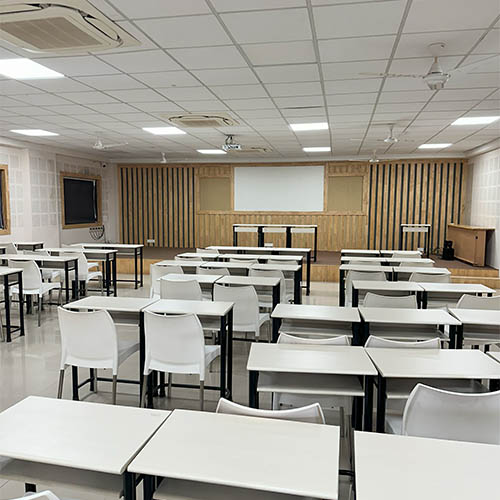
Seminar Hall
The Seminar Hall serves as a dynamic space for academic discourse and knowledge exchange, fostering collaboration and innovation in pharmaceutical education and research.
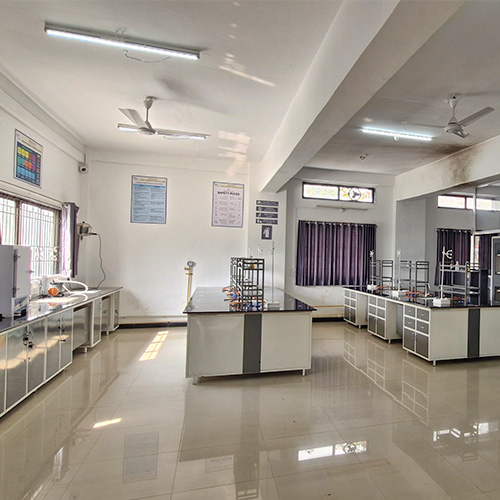
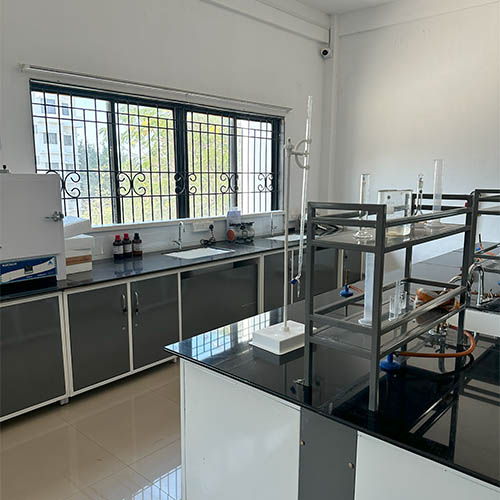
4 Pharmaceutical Chemistry Labs
This lab focuses on foundational principles of pharmaceutical chemistry, introducing students to the fundamental concepts and techniques in drug composition.
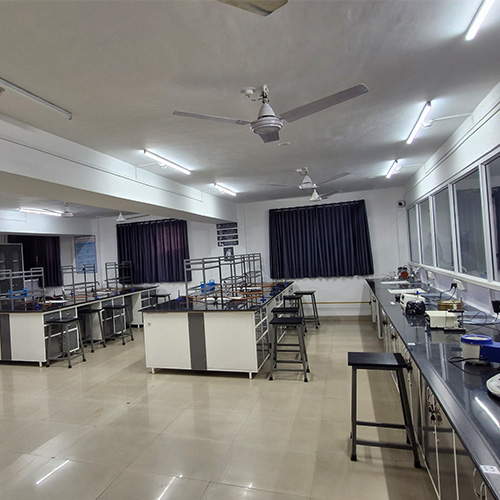
3 Pharmacology Labs
In this introductory pharmacology lab, students explore the basic mechanisms of drug actions and interactions, laying the groundwork for understanding drug effects.
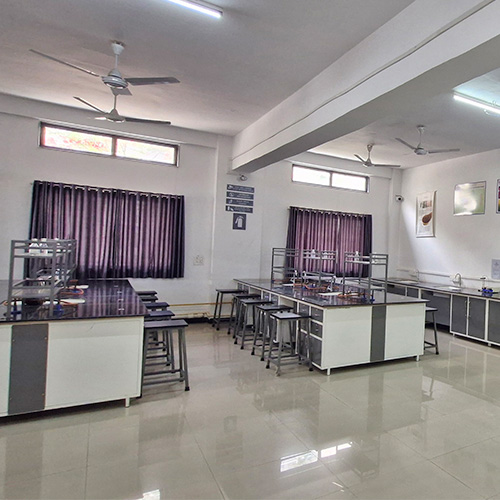
2 Pharmaceutics Labs
Pharmaceutics labs delves into the formulation and manufacturing of pharmaceutical dosage forms, providing hands-on experience in drug product development.
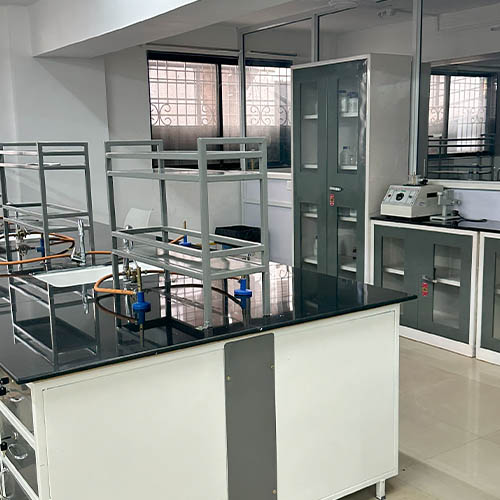
2 Pharmacognosy Labs
Exploring the realm of natural products, this lab introduces students to the extraction, isolation, and identification of bioactive compounds from medicinal plants.
Pharmacy Practice Lab
Bridging theory and practical application, this lab immerses students in simulated pharmacy practice scenarios, enhancing their clinical and communication skills.
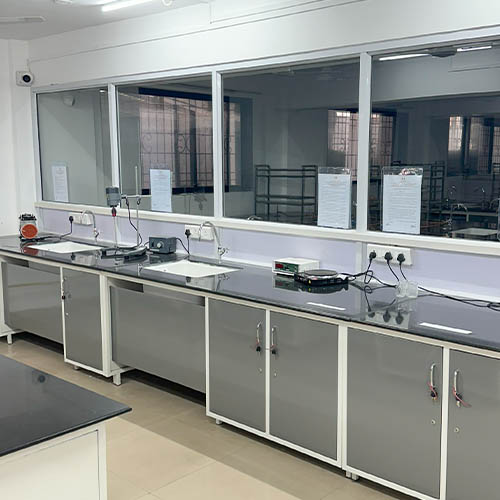
Social Pharmacy lab
Exploring the societal dimensions of pharmacy, this lab investigates the impact of social, cultural, and economic factors on medication use, adherence, and outcomes.
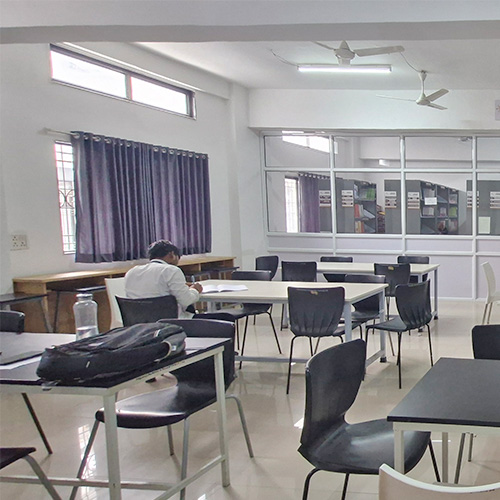
Library
The library offers a diverse collection of resources for academic study and research, providing students and faculty with a conducive environment for learning and exploration. It serves as a hub for knowledge exchange, supporting the pursuit of excellence in pharmaceutical education and innovation.