
Bachelor of Pharmacy
 By University Department of Pharmaceutical Sciences
- Program: Undergraduate (UG)
- Duration: 4 Year(s)
- Intake: 100
Program Outline
The Bachelor of Pharmacy (B. Pharm.) is an undergraduate academic degree program that focuses on providing students with a comprehensive understanding of pharmaceutical sciences, drug development, and the healthcare industry. The program typically spans four years and is designed to prepare students for careers in various sectors of the pharmaceutical and healthcare fields.
Fees Structure
| Particulars | Amount | Remarks |
|---|---|---|
| Tuition Fees | ₹125000/- | Yearly |
| Application Form & MGMU-CET | ₹2000/- | One Time |
| Examination Fees | ₹5000/- | Yearly |
| Student Activity | ₹2000/- | Yearly |
| UMIS & Student Insurance | ₹3000/- | One Time |
| Caution Money Deposit | ₹5000/- | Refundable |
| Eligibility Fees | ₹5000/- | One Time |
| Alumni Association Membership fees | ₹2000/- | One Time |
Program Outcomes
Foundational Knowledge in Pharmaceutical Sciences
Graduates will possess a strong foundation in pharmaceutical sciences, including pharmacology, pharmaceutics, medicinal chemistry, and pharmacognosy.
Drug Development and Formulation
Acquire knowledge and skills in drug development, formulation, and delivery systems to design and manufacture pharmaceutical products.
Pharmacy Practice and Patient Care
Develop competencies in pharmacy practice, patient counseling, and medication management to ensure safe and effective use of medications.
Pharmacotherapy and Clinical Pharmacy
Gain understanding of pharmacotherapy principles, medication therapy management, and clinical pharmacy practice to optimize patient outcomes.
Pharmacokinetics and Pharmacodynamics
Students will be proficient in pharmacokinetic and pharmacodynamic principles, drug metabolism, and drug interactions to understand drug actions and effects in the body.
Quality Assurance and Regulatory Compliance
Acquire knowledge of quality assurance principles, regulatory requirements, and good manufacturing practices (GMP) to ensure pharmaceutical product safety, efficacy, and compliance with regulatory standards.
Pharmaceutical Analysis and Quality Control
Develop skills in pharmaceutical analysis techniques, quality control methods, and analytical instrumentation for assessing drug quality and purity.
Interdisciplinary Collaboration
Cultivate effective collaboration skills through interdisciplinary projects, teamwork, and communication with healthcare professionals, scientists, and regulatory agencies.
Eligibility
1. First year B. Pharm:
Candidate shall have passed 10+2 examination conducted by the respective state/central government authorities recognized as equivalent to 10+2 examination by the Association of Indian Universities(AIU) with English as one of the subjects and Physics, Chemistry, Mathematics (P.C.M) and or Biology (P.C.B/ P.C.M.B.) as optional subjects individually. Any other qualification approved by the Pharmacy Council of India as equivalent to any of the above examinations.
2. B.Pharm lateral entry to third semester /Direct Second Year (DSY ):
A pass in D.Pharm. course from an institution approved by the Pharmacy Council of India under section 12 of the Pharmacy Act.
Career Prospects
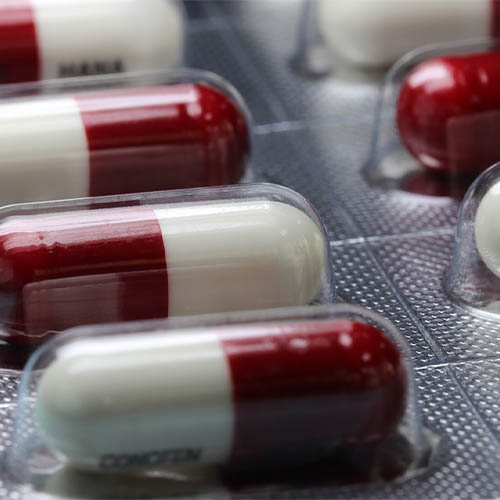
Community Pharmacist
Hospital Pharmacist
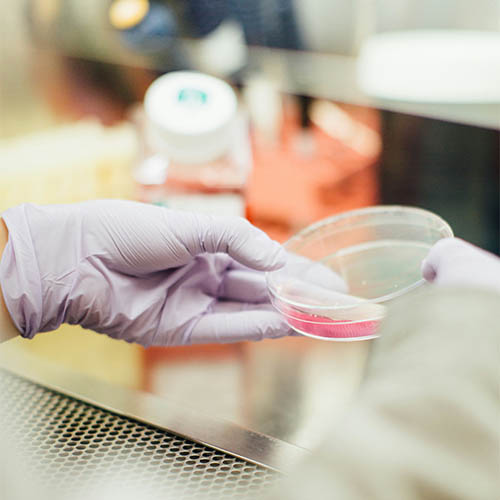
Academic/Research Assistant
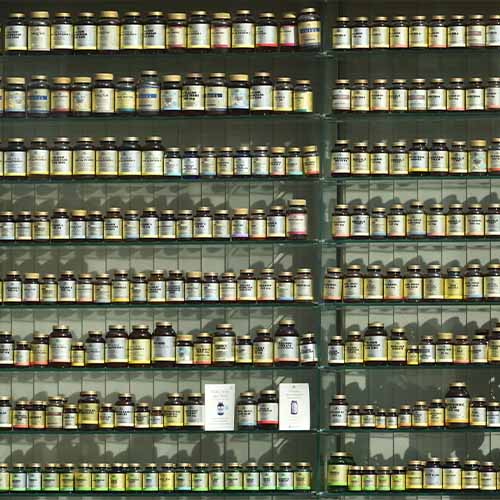
Pharmaceutical Sales Representative
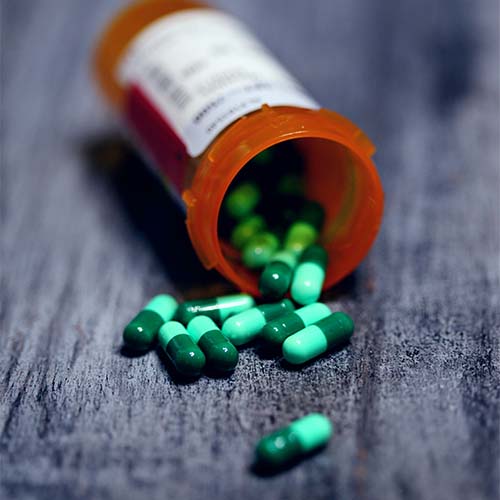
Quality Control/Quality Assurance Analyst
Admission Procedure
Step
1
Register on admissions.mgmu.ac.in
Step
2
Fill Application Form
Step
3
Receive entrance test link for MGMU CET (Date will reflect on Student Dashboard / Website)
Step
4
Appear for MGMU CET
Step
5
Check Merit List on Dashboard
Step
6
Verification and Submission of Documents
Step
7
Fees Payment
Step
8
Welcome to MGMU
Department Infrastructure
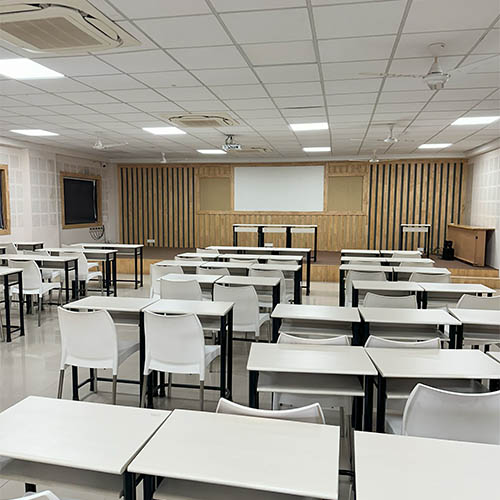
Seminar Hall
The Seminar Hall serves as a dynamic space for academic discourse and knowledge exchange, fostering collaboration and innovation in pharmaceutical education and research.
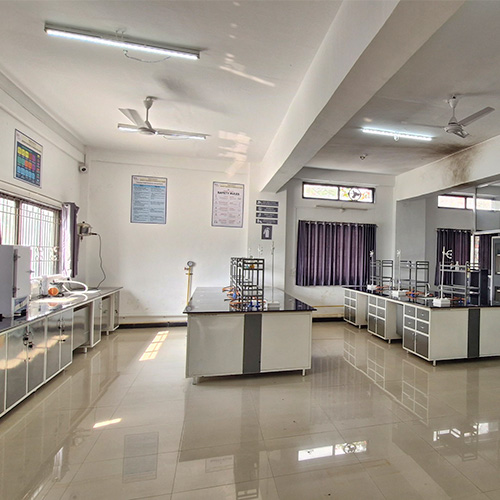
4 Pharmaceutical Chemistry Labs
This lab focuses on foundational principles of pharmaceutical chemistry, introducing students to the fundamental concepts and techniques in drug composition.
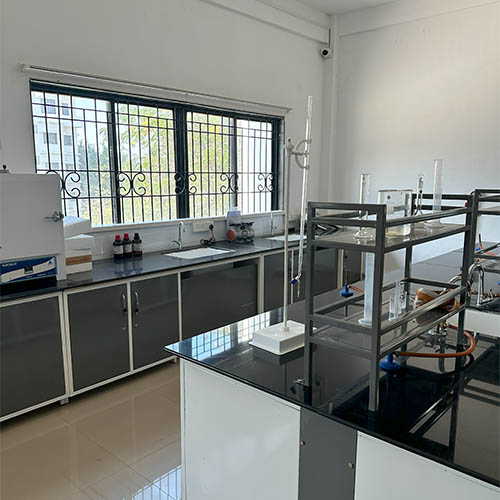
3 Pharmacology Labs
In this introductory pharmacology lab, students explore the basic mechanisms of drug actions and interactions, laying the groundwork for understanding drug effects.
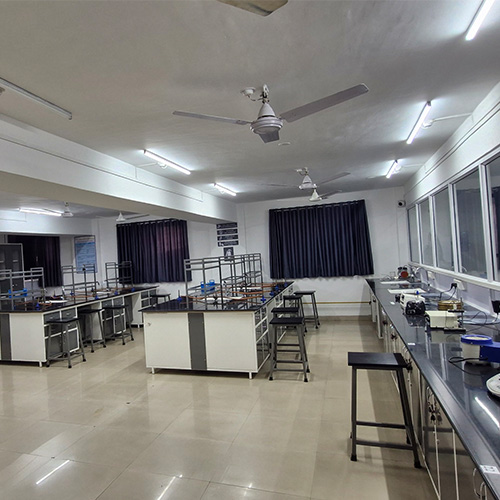
2 Pharmaceutics Labs
Pharmaceutics labs delves into the formulation and manufacturing of pharmaceutical dosage forms, providing hands-on experience in drug product development.
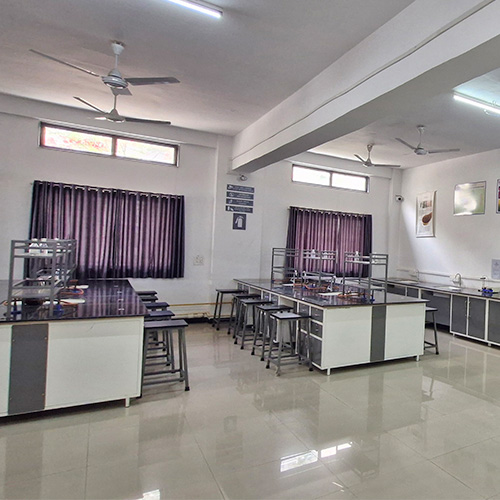
2 Pharmacognosy Labs
Exploring the realm of natural products, this lab introduces students to the extraction, isolation, and identification of bioactive compounds from medicinal plants.
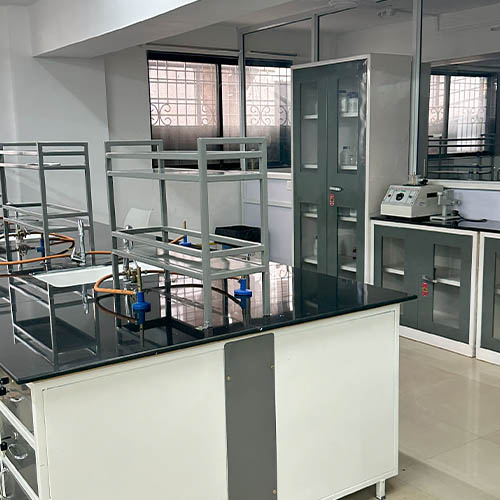
Pharmacy Practice Lab
Bridging theory and practical application, this lab immerses students in simulated pharmacy practice scenarios, enhancing their clinical and communication skills.
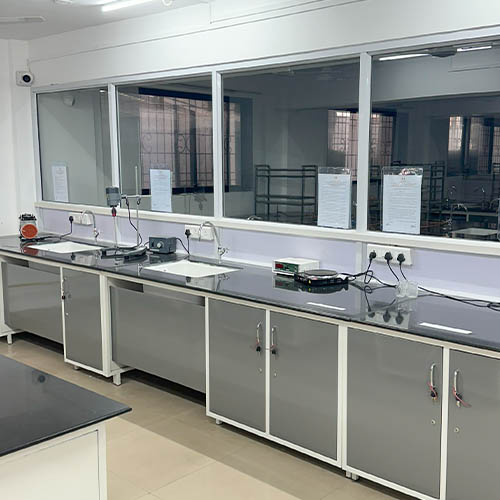
Social Pharmacy lab
Exploring the societal dimensions of pharmacy, this lab investigates the impact of social, cultural, and economic factors on medication use, adherence, and outcomes.
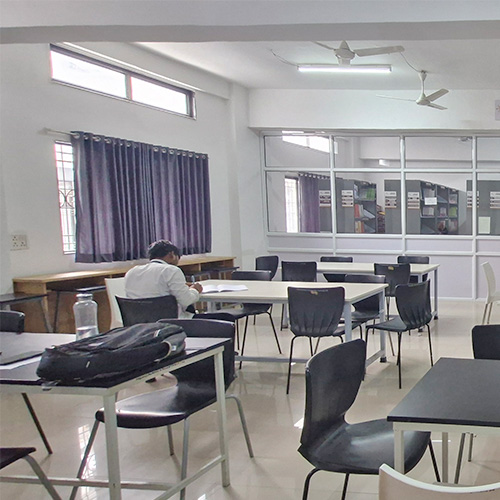
Library
The library offers a diverse collection of resources for academic study and research, providing students and faculty with a conducive environment for learning and exploration. It serves as a hub for knowledge exchange, supporting the pursuit of excellence in pharmaceutical education and innovation.