
B. Des. Interior Design
 By Leonardo Da Vinci School of Design
- Program: Undergraduate (UG)
- Duration: 4 Year(s)
- Intake: 40

Program Outline
The MGMU Leonardo da Vinci Interior Design Undergraduate Program merges creativity with functionality to reimagine spaces into captivating environments. Our curriculum is meticulously crafted to blend theoretical principles with practical application, empowering students to infuse aesthetics with purpose. With a focus on innovation and industry relevance, our program offers a robust set of features tailored to prepare you for a dynamic career in interior design. From conceptualization to execution, students explore the intricacies of space planning, material selection, and design aesthetics.
Through hands-on projects, industry collaborations, and expert guidance from seasoned professionals, students develop a holistic understanding of the discipline. Whether designing residential, commercial, or institutional spaces, graduates emerge equipped with the knowledge, skills, and creative vision to make a lasting impact in the field of interior design.
Fees Structure
| Particulars | Amount | Remarks |
|---|---|---|
| Tuition Fees | ₹140000/- | Yearly |
| Application Form & MGMU-CET | ₹2000/- | One Time |
| Examination Fees | ₹5000/- | Yearly |
| Student Activity | ₹2000/- | Yearly |
| UMIS & Student Insurance | ₹3000/- | One Time |
| Caution Money Deposit | ₹5000/- | Refundable |
| Eligibility Fees | ₹5000/- | One Time |
| Alumni Association Membership fees | ₹2000/- | One Time |
Program Outcomes
Spatial Design Proficiency
Students will develop proficiency in spatial design principles, including layout, circulation, ergonomics, and functionality, to create innovative interior spaces.
Aesthetic Sensibility and Design Conceptualization
Acquire an aesthetic sensibility and develop skills in design conceptualization, mood boards, sketches, and renderings to articulate design concepts effectively.
Material Selection and Specification
Gain knowledge of materials, finishes, furnishings, and fixtures used in interior design, and learn to select and specify appropriate materials for different design projects.
Interior Lighting Design
Understand principles of interior lighting design, including natural and artificial lighting, lighting fixtures, and lighting control systems to enhance spatial ambience and functionality.
Sustainable Design Practices
Learn about sustainable design principles, green building materials, energy-efficient systems, and environmentally responsible design strategies for sustainable interiors.
CAD and 3D Modeling Skills
Develop proficiency in computer-aided design (CAD) software, 3D modeling tools, and visualization techniques to create detailed drawings, plans, and presentations.
Client Communication and Project Management
Acquire effective communication skills to liaise with clients, understand their requirements, present design proposals, and manage interior design projects from concept to completion.
Professional Practice and Industry Engagement
Prepare for careers in interior design through industry internships, design studio projects, collaboration with industry professionals, and exposure to current trends and practices in the field.
Eligibility
- HSC with minimum 50% marks from recognized board in any discipline.
- Valid score in MGMU-CET
Career Prospects
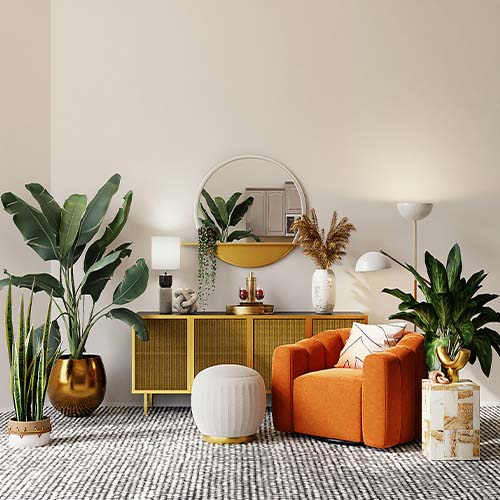
Interior Designer
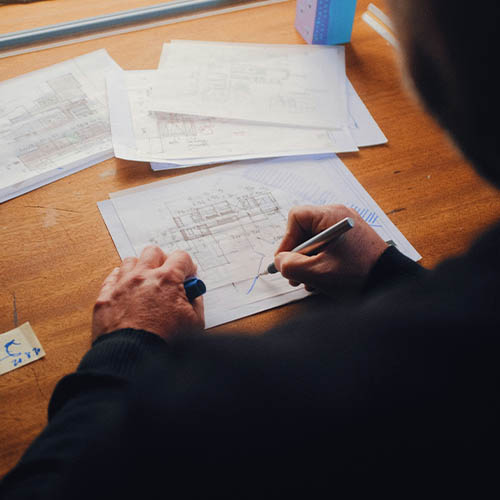
Interior Architect
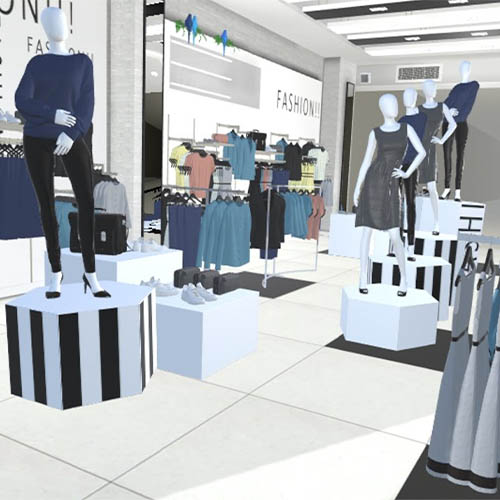
Retail Store Planner
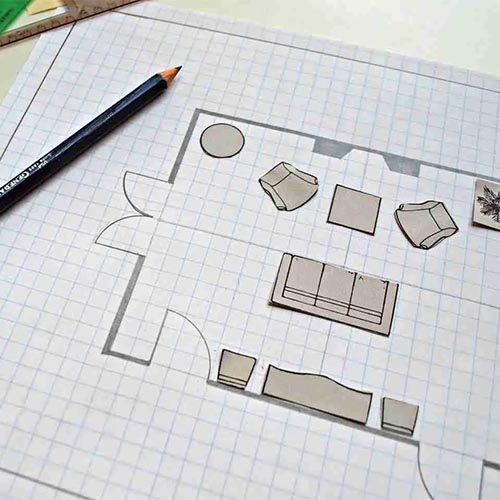
Space Planner
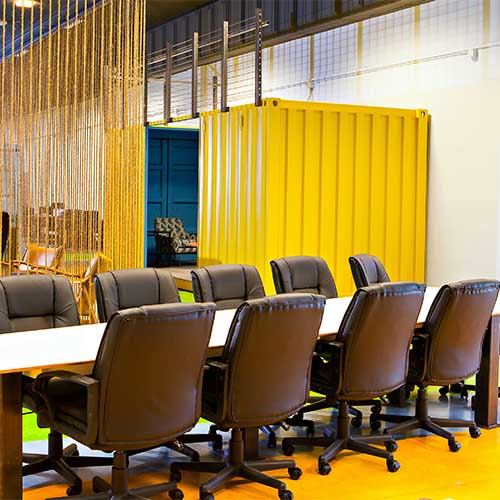
Commercial Interior Designer
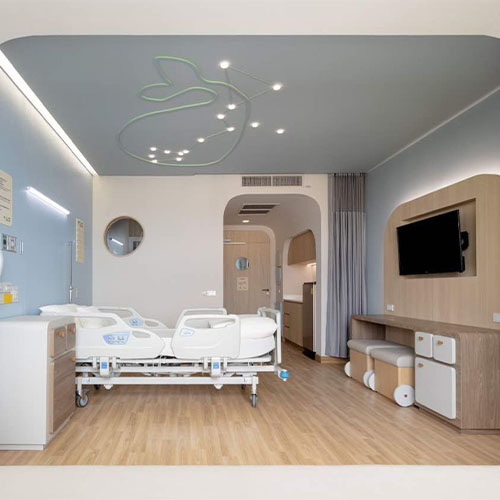
Healthcare Designer
Admission Procedure
Step
1
Register on admissions.mgmu.ac.in
Step
2
Fill Application Form
Step
3
Receive entrance test link for MGMU CET (Date will reflect on Student Dashboard / Website)
Step
4
Appear for MGMU CET
Step
5
Check Merit List on Dashboard
Step
6
Verification and Submission of Documents
Step
7
Fees Payment
Step
8
Welcome to MGMU
Teaching Faculty
| Faculty Name | Designation |
|---|---|
| Mr. Atul Kunjar | Assistant Professor |
| Ms. Shweta Mahajan | Professor of Practice |
Department Infrastructure
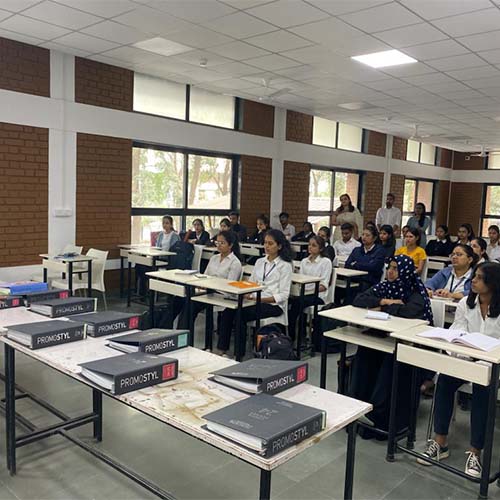
Lecture Hall
The lecture halls are furnished with benches, white boards and projectors. benches, white boards and projectors.
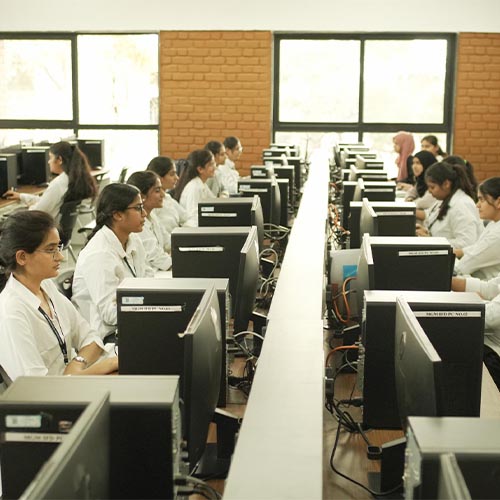
Computer Lab
The Computer lab caters the class of 40 students. List of Design Software accessible to the students:- Adobe Illustrator, Photoshop, InDesign, CorelDRAW AutoCAD (All the computers have 24X7 internet access.)
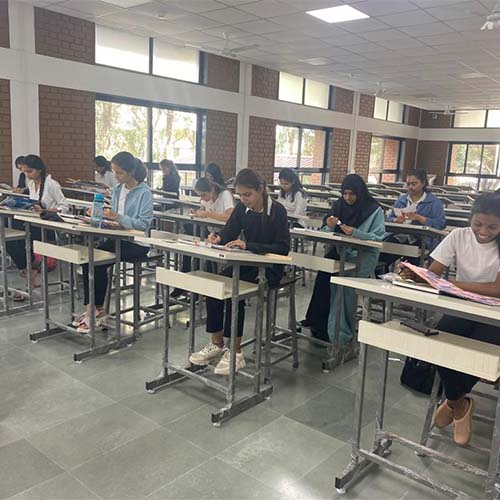
Design Studio
The studios are well equipped with A2 size drafting tables and are well ventilated and help to develop a creative environment.
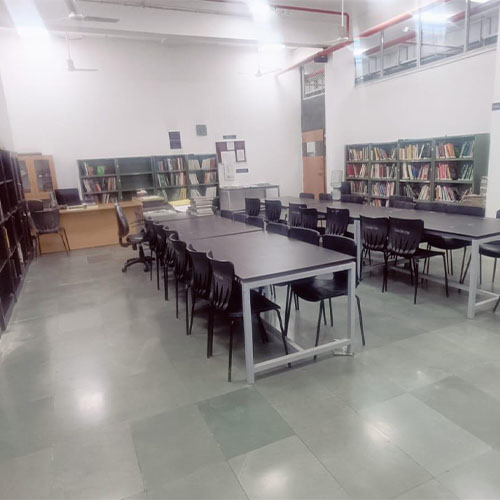
Library
IFD Total books. 601 volume Total magazine 06 Volume 189 Total journal 03 Volume 30 COFA Total books volume 852 Total magazine 4
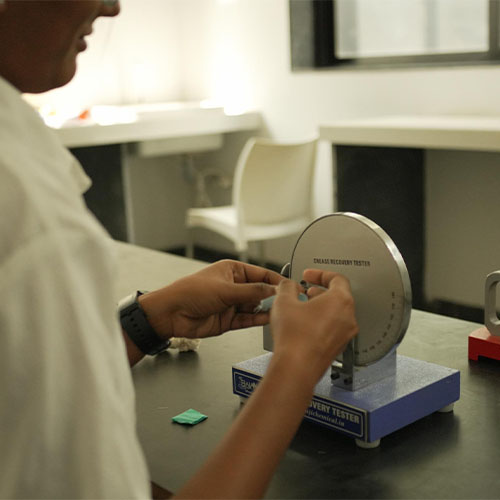
Textile Testing Lab
List of equipment’s accessible to the students: -Fibre testing equipment - Microscope Yarn Testing Equipment - Beesly Balance Twist Tester Wrap Reel Motorized Crease Recovery tester GSM Round Cutter Fabric thickness tester Tearing strength tester Washable platform for Chemical Testing with a sink at the corner For Mechanical Testing wooden platforms or tables with storage and a centre table for cutting of specimen and demonstration
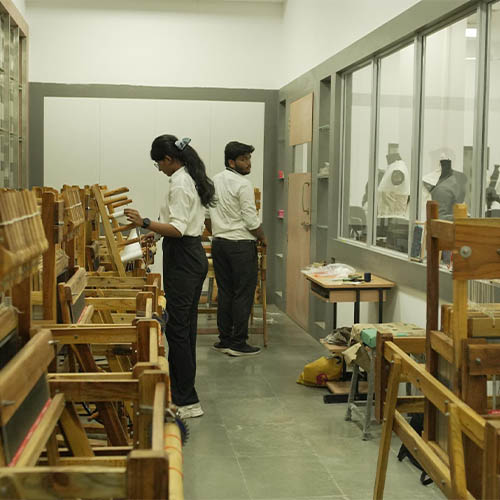
Weaving Studio
Equipped with table looms so that students can create weave patterns.
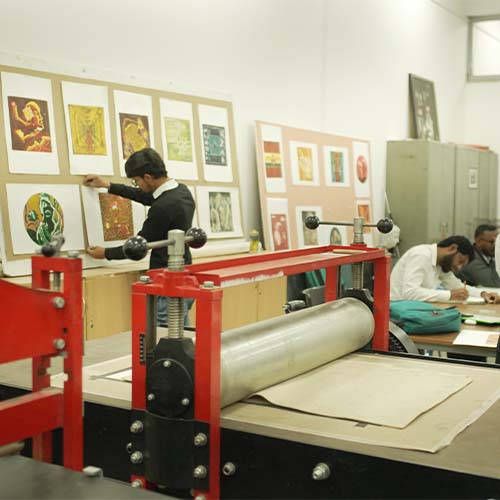
Print Making Studio
Manual printing machine
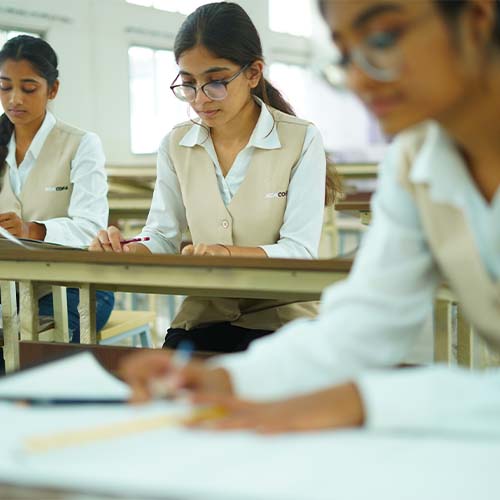
Interior Design Lab
Equipped with display boards, storage units, work station
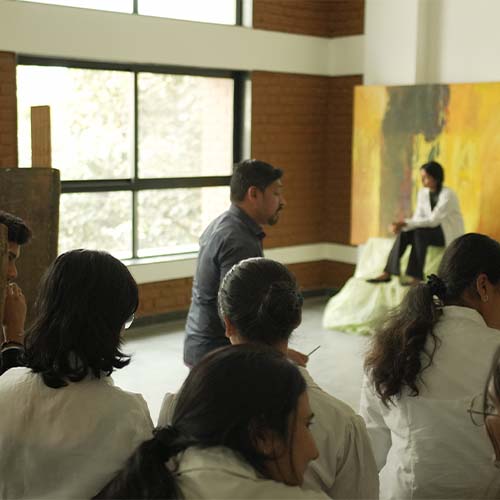
Drawing and Painting Lab
Equipped with Easels and Donkey chairs
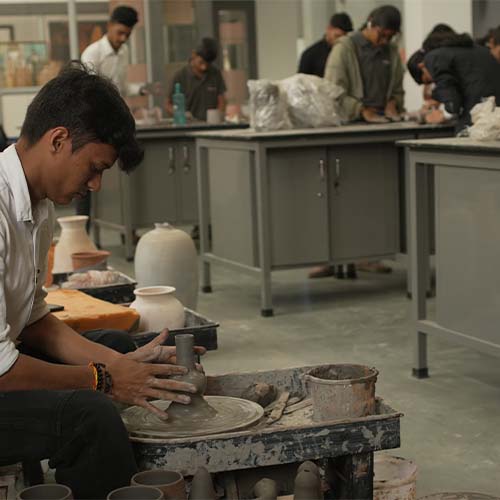
Pottery Studio
Gas Furnace & Electric Furnace 4 pottery Wheel Work Station
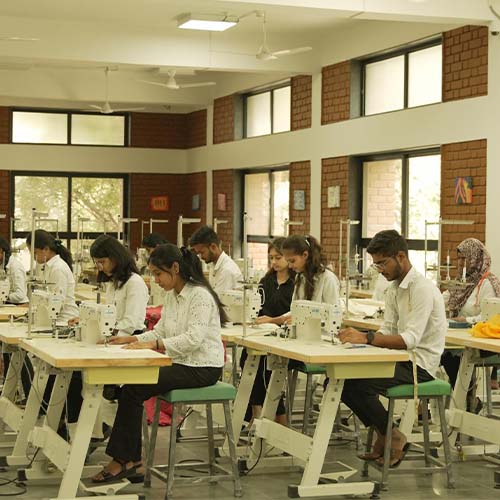
Garment Construction Lab
Garment Construction lab is equipped with commercial sewing machines (Juki), drafting tables and white boards
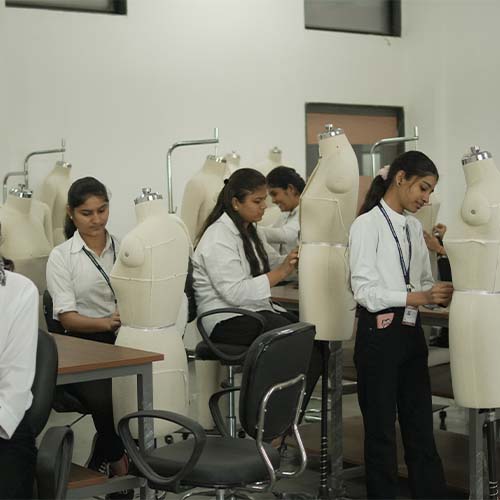
Pattern / Draping Making Studio
The Pattern making studio is equipped with drafting tables, dress forms and white boards.
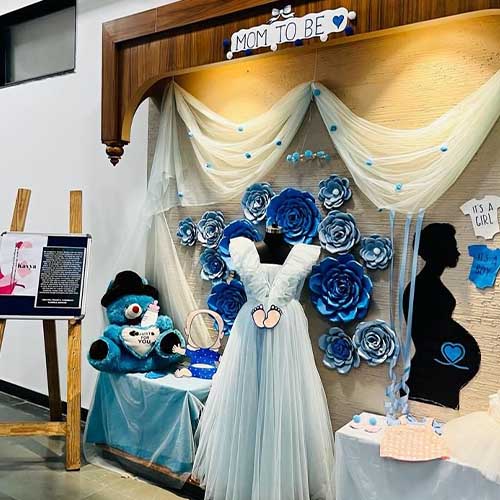
Display Arches
Exhibition Area to exhibit students, work.